Building an ambulatory healthcare facility requires careful planning, and one of the most critical...
One of the most common, and costly, mistakes in ambulatory healthcare facility planning has nothing to do with architecture. It begins when major medical equipment is selected too late.
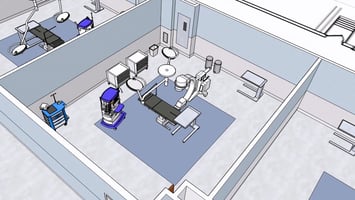
Unlike most commercial buildings, healthcare facilities are designed around the equipment they contain. An office can usually accommodate different desks or conference tables without affecting the building. A medical facility cannot. The equipment often dictates the architecture. In many cases, the most important design decisions should be made before the first floor plan is drawn.
Consider just a few examples:
-
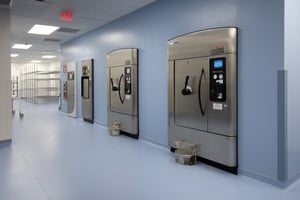
- Sterilizers and cart washers
- Built-in C-arms and fluoroscopy equipment
- Hybrid OR imaging systems
- CT and MRI scanners
- Surgical lights and ceiling-mounted booms
- Endoscope reprocessors and drying cabinets
- Large and specialized sinks
- Pharmacy units
- Refrigerators and freezers
- Gurneys
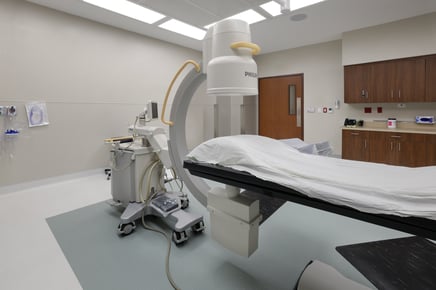
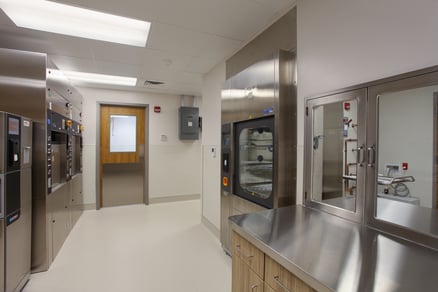
Each of these may have implications for room dimensions, structural support, ceiling heights, electrical service, emergency power, HVAC systems, plumbing, medical gases, radiation shielding, data infrastructure, and even the overall flow of the facility. The space doesn't simply house the equipment, it is often designed around it.
Unfortunately, equipment decisions are frequently postponed until Design Development or even Construction Documents. By that point, the consequences become much more significant. A change in equipment may require rooms to be enlarged, utilities relocated, structural framing modified, or mechanical systems redesigned. What appears to be a simple equipment substitution can trigger revisions across multiple engineering disciplines, increase construction costs, and delay the project schedule.
The best way to avoid these problems is to adopt an equipment-first mindset. Learn more about implementing this approach in our article, 8 Essential Tips for Medical Equipment Planning in ASCs.
That doesn't mean every manufacturer and model must be selected before design begins. It does mean that the project team should identify the major built-in and fixed equipment as early as possible, understand its approximate size and infrastructure requirements, and verify any special installation considerations before the design process is underway.
These early conversations allow the architect and engineers to design the facility around the clinical program rather than continually adjusting the building to accommodate late decisions. In healthcare design, equipment should rarely be fit into the building. The building should be designed around the equipment.
At Hardaway | Sziabowski Architects, we encourage owners and clinicians to begin equipment planning before pencil is ever put to paper. Those early decisions almost always reduce risk, improve coordination among consultants, and minimize costly redesign later in the project. It is one of the simplest steps an owner can take to deliver a more efficient, more functional healthcare facility.